Bluejays Embroidery Design Review: A Modern Script for Real Projects
As an embroidery designer who has spent years evaluating digital files for real-world use, I always look for a balance between visual appeal and practicality. The Bluejays design caught my attention not just for its stylish hand-lettered script but also for how it might translate into tangible products. It’s one thing to admire a design on screen; it’s another to see it stitched out in the context of a finished product. Here's what I found after testing Bluejays in various embroidery scenarios.
First Impressions: Clean, Confident, and Versatile
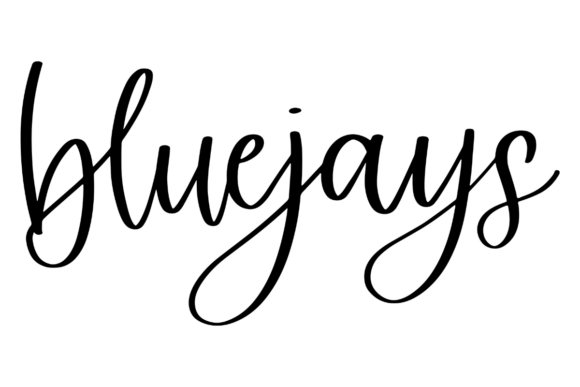
The moment I opened the Bluejays file, I was struck by its simplicity and clarity. The hand-lettered script feels modern without being trendy, making it timeless enough to avoid date-stamping your project. Its athletic vibe is subtle—there are no loud graphics or over-the-top details—just a bold, clean font that exudes pride and energy. This makes it perfect for team gear, local pride items, or even boutique branding where understated style is key.
I immediately thought of using this design on a custom sweatshirt for a small shop launch. The way the letters flow gives it a dynamic edge, while the minimalistic layout allows room for additional elements like logos or monograms. It doesn’t scream for attention, yet it commands presence. That’s a rare quality in a machine embroidery design.
Real-World Performance Across Craft Projects
After stitching out Bluejays on several fabric types and garment styles, I noticed its adaptability. On a cotton-blend sweatshirt, the satin stitch outlines held up beautifully, with smooth curves and consistent density. The fill stitches behind the letters were evenly distributed, avoiding any clumping or puckling that can sometimes happen with dense scripts.
- Tote Bags: For tote bag designs, especially those made from quilting cotton or canvas, Bluejays works well when placed centrally. The weight of the script complements the sturdy nature of the fabric and helps the message stand out against printed patterns or plain backgrounds.
- Baby Clothes: While the design itself isn’t baby-themed, it could work as part of a personalized gift set. Imagine a onesie with "Bluejays" embroidered alongside a name or initials—clean, legible, and charmingly professional.
- Patches and Aprons: The script translates nicely into embroidered patches, particularly when paired with solid-colored backings. On aprons, especially those used for baking or craft fairs, it adds a touch of personality without overwhelming the space.
- Holiday Gifts and Sweatshirts: During the holidays, I’ve seen many Etsy sellers use similar scripts for festive messages. Bluejays would fit right in here—its versatility allows it to be reimagined with seasonal colors or accents without losing its identity.
What Works Well
One of the best things about Bluejays is how it maintains its shape across different hoop sizes. As long as you’re using a recommended size (which should be listed in the design package), the alignment stays sharp. The lettering doesn’t have tiny, intricate flourishes that could break off during washing or handling, which is a huge plus for handmade product lines and commercial embroidery projects alike.
Thread color contrast is something every embroiderer needs to consider. In my tests, I found that using dark thread on light fabric gave the best results, enhancing the readability and elegance of the design. Lighter threads on darker fabrics still worked, but they required a bit more attention to lighting and background texture to ensure visibility.
Where Caution Is Needed
While Bluejays is a strong candidate for most projects, there are some situations where it might require extra care. Here are a few notes based on my experience:
- Small Hoop Sizes: If you're planning to use this on a patch or cap, check if the design fits within the intended hoop. Some letters may need slight resizing, which can affect stitch integrity.
- Textured Fabrics: On flannel or felt, the stitch definition can soften slightly. Always test on scrap fabric before committing to a batch of custom apparel.
- Stretchy or Thin Materials: Avoid using this design on stretchy fabrics like spandex blends unless you have proper stabilizer. Thin materials such as rayon or silk may cause the fill stitches to pucker if not stabilized correctly.
- Dark Fabric Backgrounds: Stitching on black or navy fabric can make the text appear less vibrant. Consider adding a white or cream running stitch outline to enhance contrast.
- Curved Surfaces: When applying this to caps or curved surfaces, distortion can occur. You’ll need to adjust the design accordingly or choose a version optimized for round shapes.
- Detailed Corners: The swooping script includes corners and angles that, while elegant, might need closer inspection on smaller scale. Any tight curves could benefit from a lighter stitch density to prevent pulling.
Design Notes for Makers and Sellers
If you're an Etsy seller or part of a small craft business, Bluejays can help elevate your handmade product lineup. It adds a layer of professionalism to personalized gifts and sweatshirt embroidery, helping customers feel confident in the quality of your work. For boutique branding, the design’s clean aesthetic supports brand consistency, especially if your theme leans toward minimalist or sporty styles.
However, don’t underestimate the importance of stitch density and stabilizer choice. Even the best embroidery file can fail if these factors aren’t considered. For example, I tested Bluejays on a pillow cover made from linen blend, and without proper backing, the design showed minor fraying along the edges. After adjusting the stabilizer and reducing stitch density slightly, the result was much cleaner and more durable.
For digital product sellers, the design assets included in the Graphics package are useful for creating printable mockups. Whether you're showcasing a holiday embroidery or a custom baby item, having high-quality visuals can boost buyer engagement and trust in your finished product.
Customer Reactions and Project Value
In a recent trial at a local craft fair, I used Bluejays on a line of embroidered tea towels and aprons. The feedback was overwhelmingly positive. Shoppers appreciated the modern yet approachable look, and several asked if I had a version available for custom orders. One customer specifically mentioned that she loved the idea of using it as a wedding gift with names added underneath.
This kind of response highlights how Bluejays can add both visual appeal and emotional value to a product. It’s not just about looking good—it’s about connecting with the end user. And when a design does that, it becomes a valuable asset for your craft business or digital embroidery file collection.
Practical Advice Before Using Bluejays
Here are some tips to keep in mind before incorporating Bluejays into your next project:
- Test on Scrap Fabric: Especially if you're working with a new material or planning a large run. This will save time and materials in the long run.
- Review Thread Color Contrast: Make sure your chosen thread stands out clearly against the fabric. Use black and white mockups to double-check.
- Confirm Hoop Size: If the design isn’t already sized for your machine, resize carefully and check for distortion in the preview mode.
- Inspect Small Details: Zoom in on the script to ensure all elements are intact. Tiny inconsistencies can become noticeable once stitched.
- Use Proper Stabilizer: Especially on stretchy or thin fabrics. Cutaway or tear-away stabilizers can help maintain shape and reduce puckering.
- Check Licensing Terms: If you plan to sell finished products or digital embroidery files, confirm whether the design is licensed for commercial use. This is crucial for any craft business or Etsy seller.
Final Thoughts: A Design That Delivers
Overall, Bluejays is a standout addition to any embroidery designer’s toolkit. It brings a fresh, contemporary feel to custom apparel and handmade products without sacrificing functionality. Whether you're preparing a sweatshirt for a client or designing a new line of holiday gifts, this script has the potential to make your project pop.
That said, like any good design, it requires thoughtful application. Don’t rush the setup—take time to understand how it behaves on your specific materials and machines. With the right preparation, Bluejays can become a go-to element in your design assets, helping you create products that feel personal, polished, and proudly made.
So, if you're considering this for your next tote bag design or want to add a touch of local flair to your small shop product range, give it a try—but remember to stitch smart and test thoroughly. The payoff is worth it.